KidzKlub News

Stories, ideas and inspiration from Australia’s leaders in children’s events and entertainment.

Contact Kidzklub Australia for kids activities, children's entertainers and programs for a family friendly event.

KidzKlub News and Blog

Stay up to date with the latest from Kidzklub Australia. Here we share stories from our events, creative ideas for family fun, behind-the-scenes insights from our team, and updates from our community partners around the country. Whether you are an event organiser, venue manager or parent, you will find inspiration and practical tips to help bring more creativity and connection to children’s experiences.

Inside an Event Childcare Setup — How We Design the Space

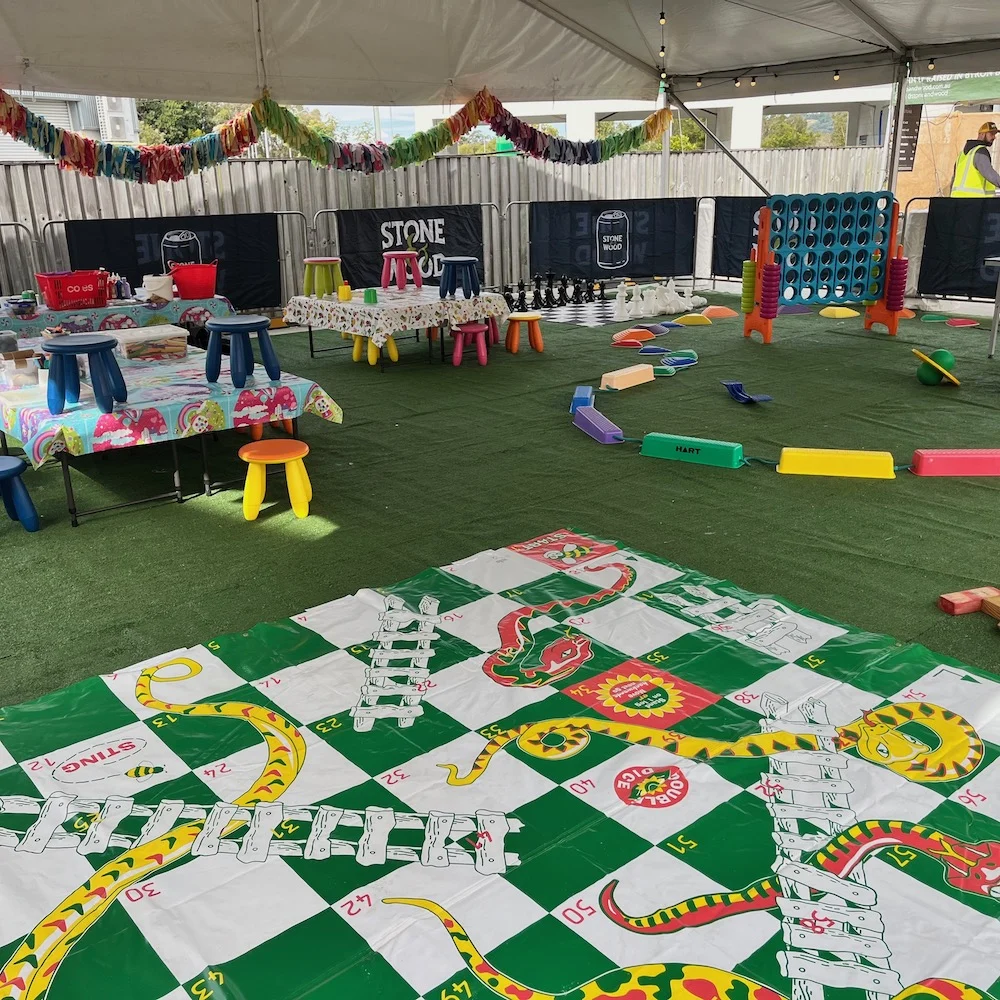
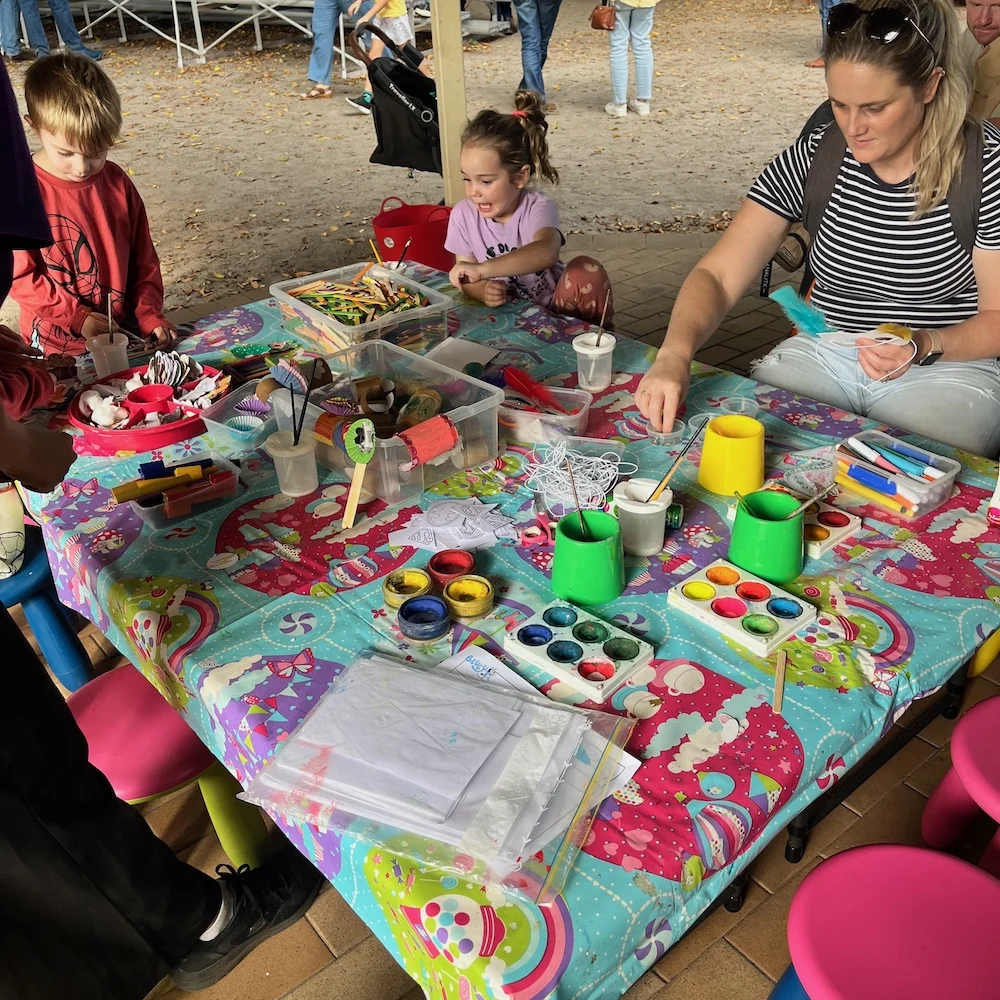
A well-run event childcare space looks calm from the outside. Children moving naturally between activities, parents relaxed at drop-off, staff visibly in control of the environment. That calm isn’t accidental. It’s the result of a deliberate setup that combines specific zones, carefully chosen equipment, and a structure designed to support how children actually behave in a temporary environment. This post is a look inside that setup. We’ve written separately about why event childcare is different from regular care; this is the practical companion piece covering what we actually build into the space. Why Zones Matter Within any reasonably sized event childcare space, smaller defined zones are essential. Children arrive with different preferences, energy levels and emotional states, and those shift quickly through the day, particularly for younger children. A space without internal structure forces every child into the same mode at the same time. Defined zones let children move between higher energy play, creative or focused activities, and quieter areas to reset. That provides choice, reduces overwhelm, and creates a more balanced environment. It also makes the space easier to staff. Different zones naturally distribute different types of engagement, which means staff aren’t trying to manage every kind of need

Learn More

What Makes Event Childcare Different from Regular Care

Event childcare is often misunderstood. From the outside it can look simple: a few activities, some staff, and a space set aside for children. In practice it sits in a difficult middle ground between entertainment, traditional childcare and event delivery. Treating it like a simplified version of any one of those leads to problems. Done well, an event childcare space feels calm, engaging and well-managed even within a busy event. The reason it feels that way is rarely visible from the outside. It’s the result of a deliberate approach to staff, space, equipment and structure that doesn’t match how childcare works in fixed settings. Temporary Spaces, Permanent Responsibility Event venues aren’t designed for children by default. They’re temporary, high-traffic and constantly changing. The duty of care, though, is identical to any childcare setting. The conditions are just much less controlled. That means a functional event childcare space needs to handle entry and exit management, supervision lines across an open or shared environment, and clearly defined boundaries within a venue that wasn’t built for any of those things. The work isn’t to lower the standard. It’s to deliver the same standard within harder conditions. Staffing Isn’t Just About Numbers The conversation

Learn More

Why “Just Adding a Kids Activity” Doesn’t Work at Events

It’s one of the most common decisions in event planning: tick the family-friendly box by adding a single entertainer, a face painter, or a small activity table. It feels like a sensible, low-cost way to make an event welcoming for children. In practice, it rarely works. Not because the activity itself is bad, but because it misunderstands how children actually engage in an event environment. Children Don’t Engage in One Mode Children don’t sit in one state for a sustained period. They cycle constantly between active, creative, social and restful modes, often within minutes. A single activity can hold attention briefly, but it can’t accommodate this natural shifting between states. An event environment that offers only one type of engagement forces children into a mode they may not be in. The face painting queue is too long, the craft table feels overstimulating after twenty minutes, the entertainer is great but the child wants to move. The activity isn’t the problem. The lack of variety is. The Role of Regulation One of the most important needs in a busy event environment is the opportunity for a child’s nervous system to regulate. This doesn’t happen through passive distraction or watching a performance.

Learn More

The Real Cost of Ignoring Children at Events

Event planning usually focuses on programming, logistics and the audience experience. But when families form part of that audience, one factor is consistently underestimated: the experience of the children. When children aren’t properly considered, the impact doesn’t stay contained to one part of the event. It affects attendance, dwell time, spend, and how the event is remembered. Designing for children isn’t an extra cost. It’s a commercial decision that protects the value of everything else. It’s Not Just About Keeping Kids Busy There’s a common assumption that children just need something small to occupy them, a colouring table, a single entertainer, a face painter for an hour. In practice, this rarely works. Children influence how long families stay, how much parents engage with the programming, and how the event feels overall. When kids are disengaged: Parents divide their attention between the event and managing their child Participation drops across activations and sessions The overall experience becomes fragmented for everyone in the family group This isn’t a minor inconvenience. It directly affects the value the event delivers to attendees and to the organiser. Shorter Stays, Lower Engagement One of the most immediate impacts of poor child engagement is reduced dwell time.

Learn More
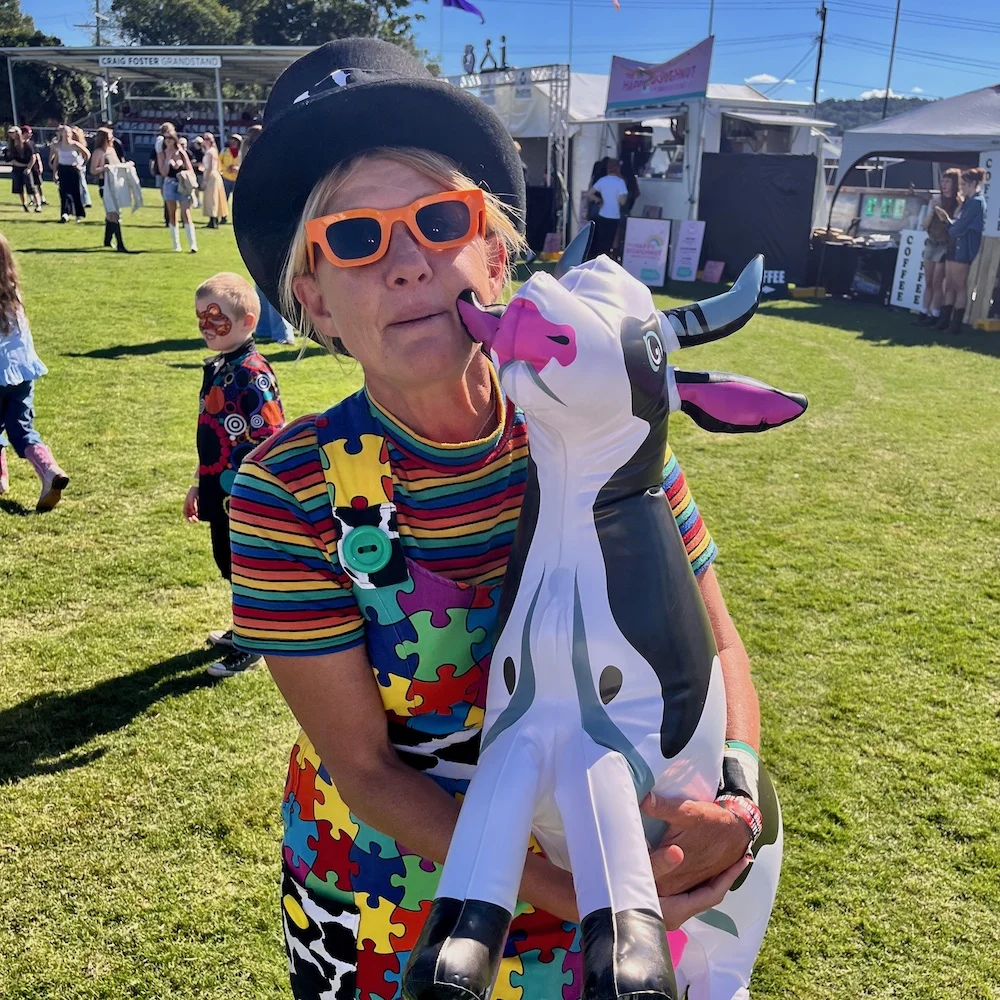
Kidzklub entertainer Shorty Brown with blow up cow at Groovin the Moo in Lismore

Kids Entertainment at Music Festivals: Inside Mini Mooland at Groovin the Moo

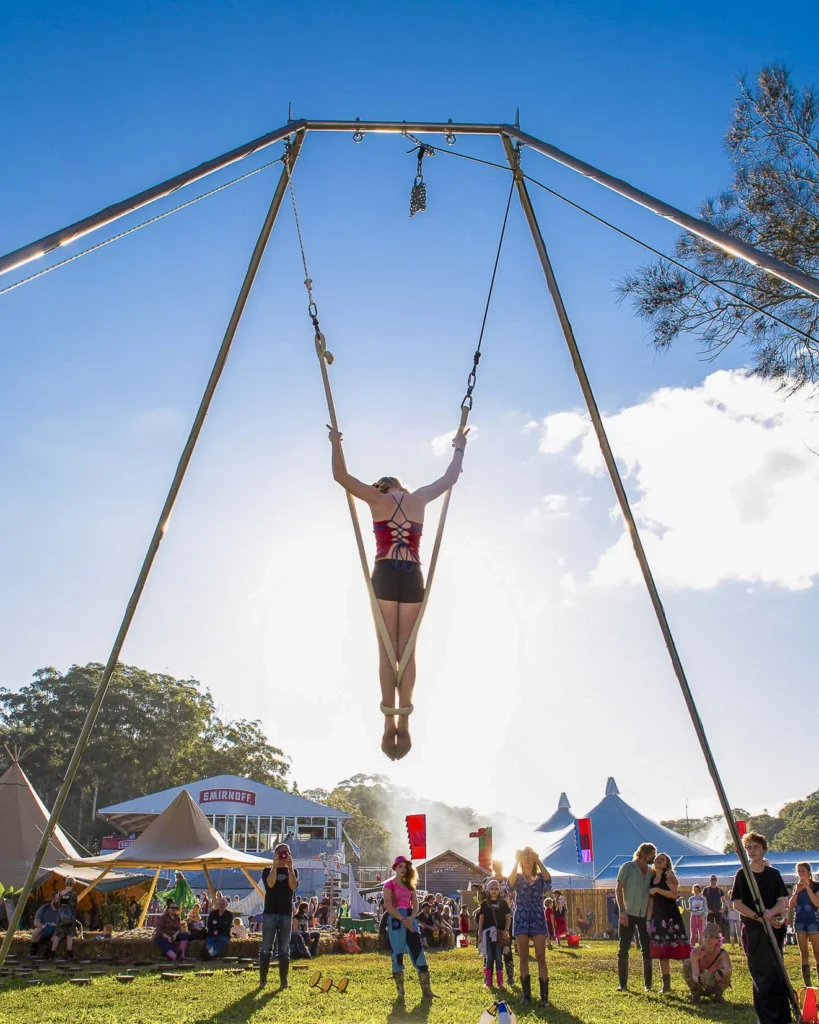
Kids Entertainment at Music Festivals: Inside Mini Mooland at Groovin the Moo Music festivals across Australia are rapidly expanding their family friendly offerings, and Groovin the Moo set a strong example with Mini Mooland, a vibrant kids zone designed and delivered by Kidzklub Australia. Designed as an interactive children’s entertainment space within the festival grounds, Mini Mooland gave families a dedicated area where kids could play, create, move and engage while still soaking up the energy and atmosphere of one of Australia’s best-known music festivals. The Rise of Family Friendly Music Festivals For decades, music festivals were primarily designed around the adult attendee. That picture is changing. Festivals across Australia are now actively programming for families, with dedicated kids zones, family camping areas and child-focused activities becoming a standard part of the festival experience rather than an afterthought. The shift reflects a broader cultural change. Parents who grew up attending festivals want to keep going, and they want their kids to come with them. Festivals that respond well to this audience are unlocking longer dwell time, multi-generational ticket sales and a warmer overall atmosphere onsite. Inside Mini Mooland: A Festival Within a Festival Kidzklub transformed the Mini Mooland area into

Learn More
woman in fancy dress does professional face painting on young girl at public event

What to Expect When You Book Face Painting for a Festival or Large Event

Face painting is one of the most effective children’s entertainment options for large events. It is visually engaging, draws families in and keeps children happily occupied. But when you are planning face painting for a festival, shopping centre activation, corporate family day or major community event, the logistics work differently than booking for a birthday party. Knowing what to expect helps you plan better, budget accurately and deliver a smooth experience for families and your event team. How Many Face Painters Do You Need? This is the most common question event organisers ask, and the answer depends on three things: the number of children expected, the duration of your event and the style of designs you want. As a general guide, a professional face painter can complete around 8 to 12 full-face designs per hour. Simpler designs like cheek art, stamps or small motifs can be done faster, sometimes up to 15 to 20 per hour. For a school fair with 100 children over three hours, two artists will comfortably manage the demand. For a festival expecting thousands of families over a full weekend, you may need a team of four to six or more, rotating in shifts. At Kidzklub,

Learn More
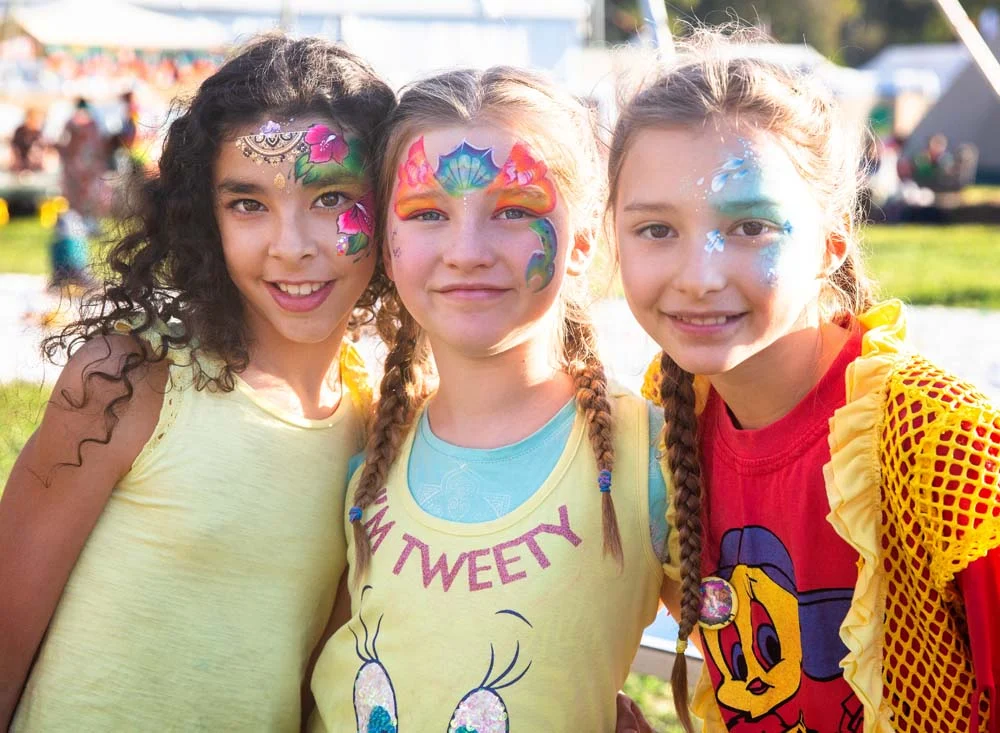
3 girls who have just had their faces painted by professional facepainter

Why Face Painting is Still the Most Popular Activity at Kids Events

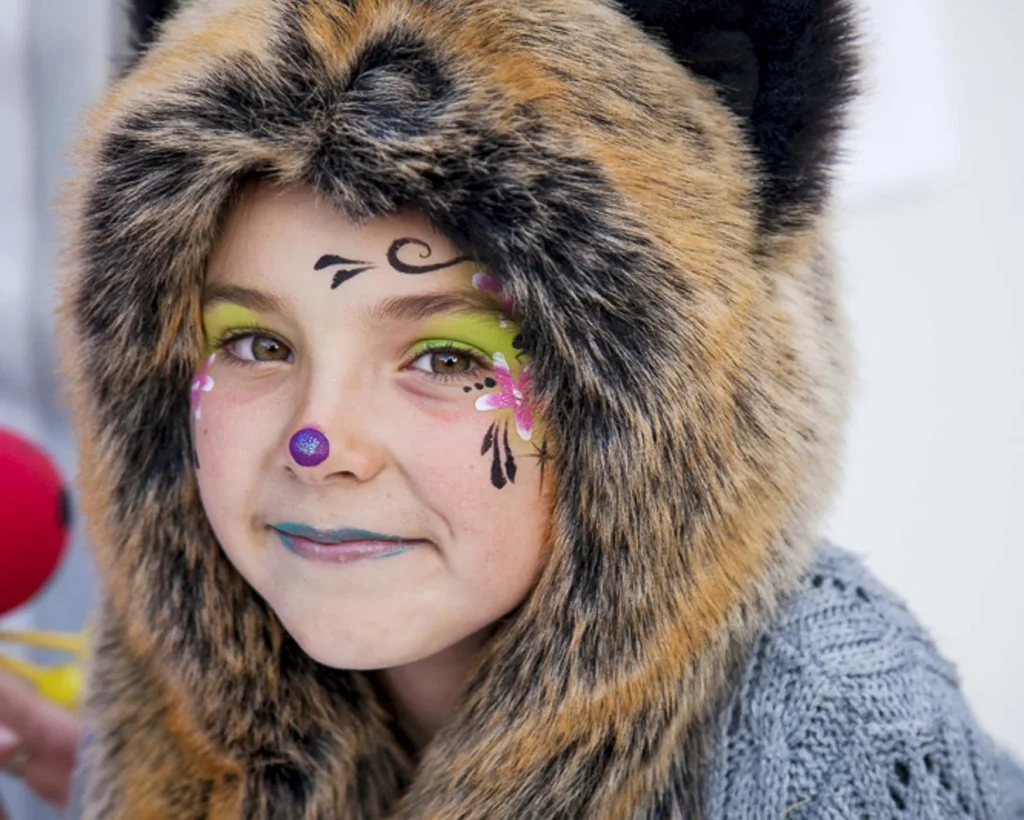
Walk through any festival, school fair or birthday party in Australia and you will almost certainly find a queue of children waiting to have their faces painted. Despite the rise of digital entertainment and an ever-growing range of activity options, face painting continues to hold its position as the most requested and most consistently popular activity at children’s events. But why? What is it about face painting that keeps children and families coming back, event after event? It Is Personal and Creative Unlike group activities where everyone participates in the same way, face painting gives each child an individual experience. They get to choose their design, sit with an artist and watch as their face is transformed into something completely different. That one-on-one interaction is rare at busy events and children value it. Whether a child wants to become a tiger, a butterfly, a superhero or a rainbow, the result is something uniquely theirs. This sense of personal choice and creative expression is a powerful driver of engagement, particularly for children who may be hesitant to join larger group activities. It Creates Immediate Visual Impact Face painting does something that most other activities cannot: it changes how a child looks

Learn More
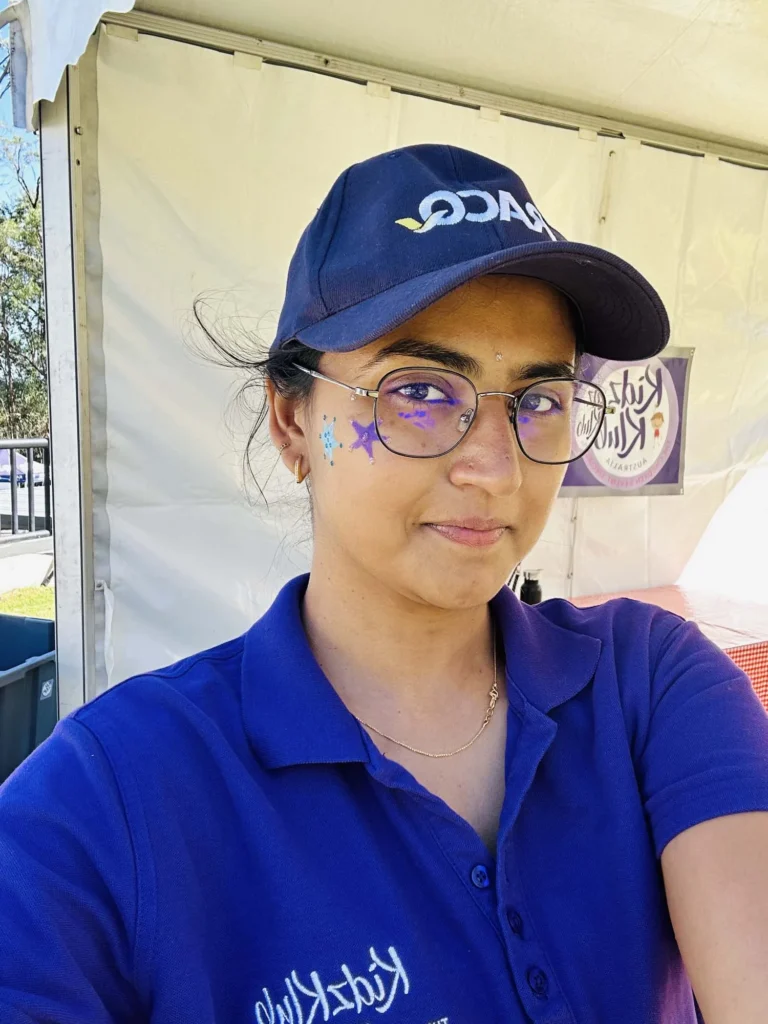
kidzklub staff member at an event for RACQ in Brisbane.

Meet Megha! New to the Kidzklub Team!

Welcome to the crew, Megha! We are so excited to introduce Megha, one of the newest members of our Kidzklub team in Brisbane. Megha is 27 years old and brings a warm, creative energy to every session she joins. With experience in childcare and a natural love for art and imagination, she is passionate about helping kids express themselves through play and creativity. When she is not inspiring little artists, Megha enjoys finding new ways to make learning fun, and we cannot wait for families across Brisbane to meet her at upcoming Kidzklub events.

Learn More

To Festival With Kids or Not to Festival? Absolutely, Yes!

Your guide to happy, stress free festival adventures with children Thinking about taking your kids to a music or arts festival? We say go for it! Family festivals are a wonderful way to connect, explore and share new experiences together. While things may look a little different once children are in the mix, festivals can still be full of colour, creativity and joy when you plan ahead. Today, more festivals than ever are family-friendly, with dedicated children’s zones, creative workshops, live shows and chill-out areas designed just for little ones. With the right preparation, you can dance, play and explore while keeping your tribe comfortable and happy all weekend long. We asked our team at Kidzklub Australia for their top tips on how to make the most of your festival adventure with kids — keeping the fun high and the stress low! Top Tips for a Fabulous Family Festival Keep calm, stay playful and follow your kids’ rhythm. Take breaks often. Festivals can be full of excitement, noise and stimulation. Find the kids’ area or a quiet zone to rest and reset. Bring a pram or wagon. Perfect for naps and tired legs. Many festivals have nursery or family rest

Learn More

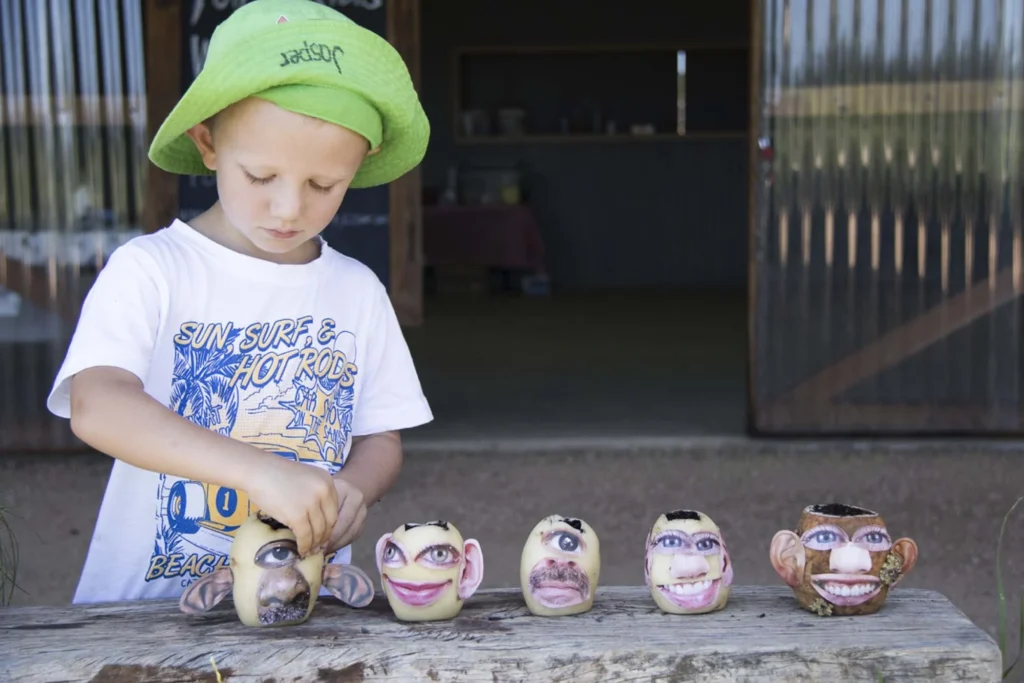
Eco Education for Kids: Learning from the Land at The Farm Byron Bay

There’s something magical about watching children connect with the land — seeing where their food comes from, meeting the animals, and discovering how nature works in real time. Our farm workshops for kids in Byron Bay are designed to inspire curiosity, creativity and respect for the environment through hands-on learning. What Makes Our Farm Kids Workshops Unique At The Farm Byron Bay, we believe the best classroom has sunshine, soil and a few muddy boots. Every session blends fun with education — children plant seeds, feed animals, and explore the garden while learning about sustainability and how food grows. Our programs are led by experienced educators who combine eco education for children with creative play. Activities change with the seasons — from Spring seed planting to Autumn harvests — ensuring each visit offers something new to learn and experience. Why Eco Education Matters Children are naturally curious about the world around them. When they learn directly from nature, they develop a deeper understanding and empathy for living things. Our workshops teach: The importance of healthy soil, water and pollinators How food travels from paddock to plate Simple ways to reduce waste and care for the planet These values stay with

Learn More